Resolve Your Issues: Examining Different Types of Drain Cleaning Services
Stopped-up drains can be a considerable hassle for homeowners. Understanding the causes and effective solutions is essential. While some could undertake DIY methods, these often come up lacking. Professional drain cleaning services deliver a selection of options tailored to specific issues. However, not all services are the same, and knowing which one to choose can be difficult. Investigating these different methods may bring about a more effective resolution for persistent drainage problems. What options are available, and how do they compare?
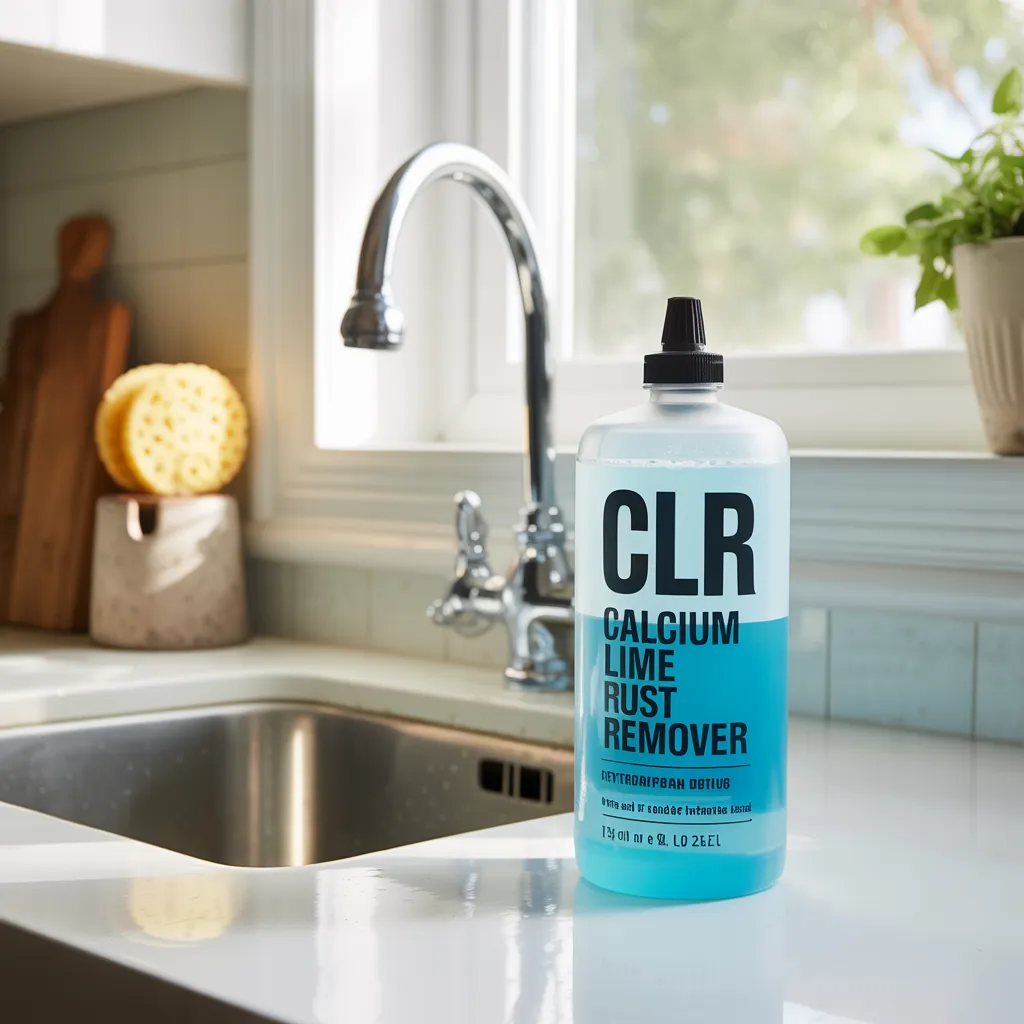
What Results in Drain Clogs and How to Resolve Them?
Obstructed drains may disturb regular household functions and cause significant repair costs without timely intervention. Several causes lead to this frequent concern. Accumulation of hair, soap residue, food particles, and grease often creates blockages in kitchen and bathroom sinks. Additionally, foreign objects, such as toys or toiletries, can exacerbate the problem, especially in household drains. Tree roots infiltrating underground pipes can also lead to significant obstruction.
To address clogged drains, homeowners should initially identify the source. Basic tools like plungers or drain snakes could suffice for small clogs. Nonetheless, persistent issues may need professional intervention. Drain cleaning services implement advanced approaches, such as hydro-jetting and camera inspections, to thoroughly clear blockages and assess the condition of pipes. Regular maintenance, including scheduled inspections and proper disposal practices, is essential in preventing future clogs and ensuring smooth drainage throughout the home.
Successful DIY Drain Cleaning Approaches
Homeowners can efficiently handle minor drain problems with some basic DIY methods. A widely-used method utilizes utilizing a blend of baking soda and vinegar. This blend can aid in breaking down simple clogs by generating a fizzing reaction, which removes debris. Pour a cup of baking soda followed by a cup of vinegar down the drain, allow it to work for about 30 minutes, and then flush with hot water.
Another effective technique is using a plunger. By creating a vacuum seal around the drain, plungers can dislodge stubborn blockages. Homeowners need to make sure there's adequate water in the sink to cover the plunger's cup for maximum effectiveness.
For additional care, a monthly treatment of hot water can aid in break down grease accumulation. Furthermore, employing a drain snake can clear hair and gunk from the pipe interior. Such approaches can keep drains working properly without needing professional help.
DIY Not Working? When to Contact a Professional?
When DIY approaches are unable to eliminate ongoing clogs, this can indicate a deeper plumbing problem that requires professional help. Multiple blockages detailed information may suggest systemic issues within the drainage system, while critical emergencies warrant immediate action to stop further damage. In such cases, obtaining expert service becomes necessary for durable and lasting solutions.
Recurring Clogs Call for Specialist Knowledge
Several persistent clogs can develop into a source of annoyance, particularly when DIY tries cannot solve the matter. Homeowners often underestimate the intricacy of plumbing systems, causing poor solutions or even damage. When simple tools and techniques fail to produce results, it is recommended to seek professional assistance. Experts utilize specialized equipment and knowledge to precisely diagnose and address the root cause of the clog. They can identify underlying issues that may not be visible, such as tree root invasion or damaged pipes. Furthermore, professionals can implement sophisticated techniques like hydro jetting, providing a complete and lasting solution. Finally, calling in an expert can save time, prevent further complications, and restore confidence.
Numerous Clogs Point to Concerns
While a single blockage can often be fixed with basic tools, multiple blockages throughout a property's plumbing system may point to deeper, systemic issues. When homeowners experience multiple clogs, it is important to recognize that these may indicate problems such as tree root intrusion, pipe corrosion, or a malfunctioning sewer line. Seeking to resolve these issues with DIY methods may offer only temporary relief and could worsen the situation. In such cases, professional drain cleaning services are essential. Experts possess specialized equipment and expertise to diagnose the underlying cause of the blockages and implement effective solutions. Recognizing the limits of DIY efforts is significant; timely intervention by professionals can avert further damage and costly repairs down the line.
Immediate Urgent Matters Demand Immediate Action
Urgent plumbing emergencies can escalate quickly, necessitating immediate action. When a DIY approach fails, the risks of further damage or health hazards increase. Homeowners may face ongoing obstructions, toilets that overflow, or broken pipes—issues that demand professional intervention. Identifying the signs of an emergency is essential; delays can lead to extensive property damage or costly repairs.
Professional technicians have specialized tools and expertise to diagnose and resolve problems quickly. They can also detect underlying issues that could not be apparent to the untrained eye. Eventually, knowing when to call a plumber can save time, money, and stress, ensuring that plumbing emergencies are handled rapidly and successfully. Seeking professional help in urgent situations is essential for maintaining a safe household.
Types of Drain Cleaning Services
When homeowners face persistent clogs or drainage issues, several kinds of drain cleaning services can effectively address these problems. One common method is snaking, which involves using a flexible auger to break up blockages in pipes. Hydro jetting is an additional advanced approach that uses high-pressure water streams to clear away stubborn debris and accumulated grease. For more severe cases, video camera inspections enable professionals to identify the exact location and nature of the clog, guaranteeing targeted solutions. Chemical drain cleaners are sometimes utilized for minor blockages, though they should be used with caution due to potential pipe damage. Moreover, rooter services focus specifically on removing tree roots that infiltrate drainage systems. Each service offers distinct advantages, allowing homeowners to select the most appropriate method based on the severity and nature of their drainage issues. Ultimately, timely intervention can restore proper functionality and prevent further complications.
Price Considerations for Drain Cleaning Services
Numerous factors impact the cost of drain cleaning services, making it vital for homeowners to grasp these variables before seeking assistance. To start, the type of blockage plays a significant role; simpler clogs typically require less time and fewer resources, while significant blockages may require advanced equipment and techniques, elevating costs.
Furthermore, the location of the clog impacts pricing; drains located deep in plumbing systems or in inaccessible areas can lead to higher fees.
The service provider's experience and expertise also contribute to variations in price, as well-established firms typically command higher rates because of their established reputation and history.
Lastly, location can influence costs, with metropolitan regions typically seeing higher rates compared to rural settings. Understanding these elements can help homeowners make knowledgeable selections when picking drain cleaning services.
Preventative Steps to Ensure Your Drains Clear
Comprehending the costs connected to drain cleaning services is valuable, but homeowners can also take proactive steps to avoid clogs before they become expensive issues. Regular maintenance is essential; routine inspections can pinpoint potential problems early. Homeowners should avoid pouring grease, oil, or food scraps down kitchen sinks, as these substances can solidify and cause blockages. In bathrooms, using drain guards can capture hair and soap residue, substantially reducing buildup.
Furthermore, cleaning drains with hot water each week can aid in dissolving minor clogs. Homeowners can also consider utilizing natural cleaners, such as baking soda and vinegar, to maintain clear pipes without toxic chemicals. Seasonal maintenance, including removing debris from outdoor drains, can prevent backups during significant rainfall. By adopting these proactive measures, homeowners can make certain their plumbing systems remain operational, consequently saving both time and money on emergency drain cleaning services.
Common Questions
How Regularly Should My Drains Be Professionally Cleaned?
Experts recommend having drains professionally cleaned every one to two years, depending on consumption patterns and concerns. Routine upkeep helps prevent clogs, ensures efficient drainage, and increases the lifespan of your pipes.
Are All Types of Pipes Safe for Chemical Drain Cleaners?
Chemical drain cleaners are not safe for all pipe types. These products may harm aging pipes, PVC materials, or metal plumbing systems. Consulting a professional is recommended to identify the most appropriate cleaning approach for your particular plumbing requirements.
What Signs Indicate a More Serious Plumbing Issue?
Signs of a more serious plumbing concern include ongoing clogs, slow drains, unusual noises coming from pipes, water backups, and visible leaks. These indicators often suggest deeper concerns needing professional assessment and repair to avoid further damage.
Can I Prevent Future Clogs With Regular Maintenance?
Regular servicing can dramatically lower the possibility of future clogs. By setting up routine maintenance checks and cleanings, one can identify potential issues early, delivering smoother drainage and increasing the service life of pipe systems.
Do Drain Cleaning Services Offer Warranties or Guarantees?
Numerous drain cleaning companies do include warranty coverage, supplying customers with peace of mind regarding the success of their work. These assurances usually differ by provider, so reviewing individual terms is suggested for satisfaction and clarity.